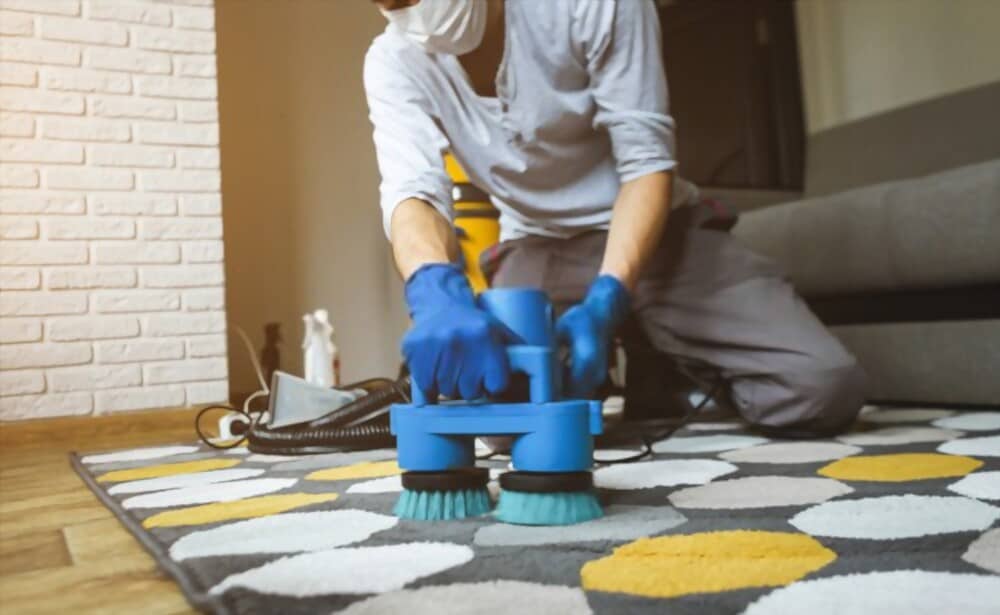
Introduction
Maintaining a clean carpet is essential for both the aesthetics and hygiene of your home. Carpets not only add warmth and comfort but also trap dust, allergens, and stains. While professional carpet cleaning is always an option, dry cleaning your carpet at home is a practical and effective alternative that minimizes moisture use and drying time.
Why Choose Dry Cleaning for Your Carpet?
Dry cleaning your carpet offers several advantages over traditional wet cleaning methods. One of the primary benefits is the minimal use of moisture, which significantly reduces the risk of mold and mildew growth. Other benefits include:
- Faster Drying Time: Since very little water is used, carpets dry much faster than with steam or wet cleaning methods.
- Gentle on Fibers: Dry cleaning compounds are generally gentler on carpet fibers, helping to preserve the carpet's texture and color.
- Effective Stain Removal: Dry cleaning powders and compounds absorb dirt and stains effectively.
- Convenience: Can be done at home without specialized equipment beyond a vacuum cleaner.
- Reduced Risk of Shrinkage: Natural fiber carpets (like wool) that are prone to shrinkage benefit from dry cleaning methods.
Gathering Your Supplies
Before starting, gather the following supplies:
- Dry Carpet Cleaning Powder or Baking Soda: The primary cleaning agent that absorbs dirt and odors.
- Vacuum Cleaner with HEPA Filter: Essential for removing the cleaning powder and trapped dirt.
- Soft-Bristle Brush or Carpet Rake: Helps work the powder into the carpet fibers.
- Clean White Cloths or Microfiber Towels: For spot treatment of stains.
- Spray Bottle: For applying stain treatment solutions.
- Mild Detergent or Carpet Stain Remover: For pre-treating specific stains.
- Protective Gloves and Mask: To protect your skin and lungs during the cleaning process.
Step-by-Step Dry Cleaning Process
Step 1: Prepare the Area
- Clear the room of all furniture, toys, and other items on the carpet.
- If moving heavy furniture is not possible, place protective pads or aluminum foil under furniture legs to prevent staining.
- Open windows or turn on fans to ensure good ventilation throughout the cleaning process.
Step 2: Vacuum Thoroughly
- Vacuum the entire carpet methodically, working in overlapping rows.
- Use the crevice tool along edges, corners, and baseboards.
- Make multiple passes over high-traffic areas.
- Empty the vacuum canister or replace the bag if it's more than half full for maximum suction power.
Step 3: Address Stains with Spot Treatment
Before applying the dry cleaning powder, pre-treat any visible stains:
- Identify Stain Types: Different stains require different treatments (e.g., grease stains vs. food stains vs. pet stains).
- Apply Treatment: Use a small amount of mild detergent mixed with water, or a commercial carpet stain remover.
- Blot, Don't Rub: Apply the solution to a clean white cloth and blot the stain from the outside inward to prevent spreading.
- Allow to Dry: Let the treated area dry before proceeding to the next step.
Step 4: Apply Dry Cleaning Powder
- Sprinkle Evenly: Distribute the dry cleaning powder (or baking soda) evenly across the entire carpet surface.
- Work Into Fibers: Using a soft-bristle brush or carpet rake, gently work the powder into the carpet fibers. This ensures the powder reaches deep into the carpet where dirt and odors reside.
- Cover All Areas: Pay special attention to high-traffic zones and areas near entrances.
Step 5: Let the Powder Sit
- Allow the dry cleaning powder to sit on the carpet for a minimum of 30 minutes.
- For heavily soiled carpets or strong odors, leave the powder for 1-2 hours or even overnight for best results.
- Keep the area ventilated and avoid walking on the carpet during this time.
Step 6: Vacuum Again
- Vacuum the entire carpet thoroughly to remove all the dry cleaning powder along with the trapped dirt, dust, and allergens.
- Make multiple slow passes to ensure complete removal.
- Use attachments for edges and hard-to-reach areas.
- Empty the vacuum afterward, as it will contain a significant amount of powder and dirt.
Step 7: Final Touches
- Inspect the carpet for any remaining stains or spots that may need additional treatment.
- Replace furniture carefully, using protective pads if desired.
- Consider applying a carpet protector spray to help repel future stains.
- Enjoy your freshly cleaned carpet!
Additional Maintenance Tips
To keep your carpet looking its best between deep cleanings:
- Vacuum Weekly: Regular vacuuming prevents dirt from becoming deeply embedded in carpet fibers.
- Handle Spills Immediately: Blot spills as soon as they occur to prevent staining.
- Use Area Rugs: Place area rugs in high-traffic zones to protect the underlying carpet.
- Rotate Furniture: Periodically rearrange furniture to distribute wear evenly across the carpet.
- Remove Shoes: Implement a no-shoes policy to reduce the amount of dirt tracked onto carpets.
- Professional Cleaning: Schedule professional carpet cleaning at least once a year for a thorough deep clean.
Safety Precautions
- Wear Protective Gear: Use gloves and a dust mask when handling cleaning powders to avoid skin irritation and inhalation.
- Keep Children and Pets Away: Ensure children and pets stay off the carpet during the cleaning process and until the powder is fully vacuumed up.
- Ventilation: Maintain good airflow throughout the process to prevent buildup of dust particles in the air.
- Test First: Always test any cleaning product on a small, inconspicuous area of the carpet before full application to check for colorfastness and compatibility.
When to Seek Professional Cleaning
While dry cleaning at home is effective for regular maintenance, certain situations call for professional intervention:
- Deep-Set Stains: Stains that have penetrated deep into the carpet fibers or padding may require professional extraction.
- Allergen Control: For households with severe allergy sufferers, professional cleaning with HEPA-filtered equipment provides a more thorough allergen removal.
- Water Damage: Carpets affected by flooding or significant water damage should be professionally treated to prevent mold growth.
- Delicate Carpets: Antique, silk, or other delicate carpets should be cleaned by professionals who understand the specific care requirements.
- Annual Deep Clean: Even with regular home maintenance, an annual professional cleaning helps extend carpet life and maintain air quality.
Conclusion
Dry cleaning your carpet at home is an accessible, effective, and affordable way to maintain clean and fresh carpets between professional cleanings. By following the step-by-step process outlined in this guide -- from thorough vacuuming and spot treatment to applying dry cleaning powder and allowing adequate sitting time -- you can achieve professional-quality results without the expense or wait time. Regular maintenance combined with periodic dry cleaning will keep your carpets looking beautiful and your home feeling clean and comfortable.
Need Professional Cleaning Help?
CleaningPRO Auckland provides expert cleaning services for homes and businesses across Auckland.