Introduction
A fresh-smelling home not only feels more comfortable but also creates a welcoming environment for family and guests alike. However, persistent odors can make even the cleanest spaces feel uninviting. This comprehensive guide covers strategies for odor removal in your home, covering everything from identification and prevention to natural remedies and professional solutions.
Understanding Household Odors
Household odors stem from airborne particles and can originate from various sources. Understanding the root cause is the first step to effective elimination.
Common Sources of Odors in the Home
- Kitchen Odors: Cooking, especially with strong spices, frying, or baking can leave lingering smells.
- Pet Odors: Accidents, dander, and general pet smells can permeate fabrics and carpets.
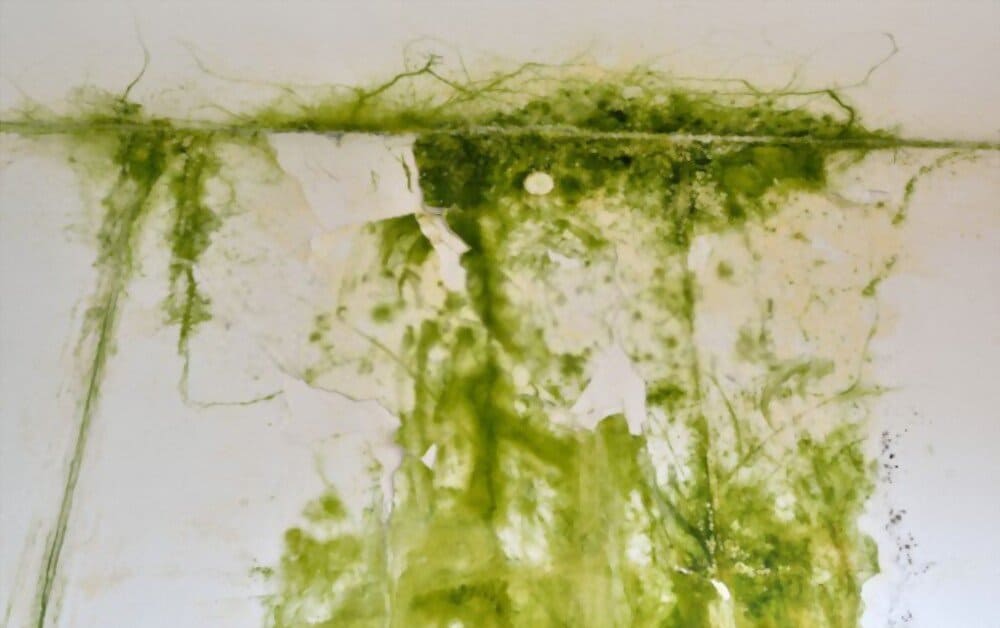
- Mold and Mildew: Damp areas like bathrooms, basements, and laundry rooms are prone to mold growth that produces musty smells.
- Cigarette Smoke and Fireplace Residue: Smoke particles cling to surfaces and fabrics, creating persistent odors.
- Trash and Garbage Accumulation: Overflowing or infrequently emptied trash cans produce unpleasant smells.
- Dirty Laundry: Laundry left in hampers for extended periods can develop musty odors.
- Plumbing Issues: Faulty drains or dry P-traps can produce sewer gas smells.
Effective Strategies for Odor Removal
1. Identify and Eliminate the Source
The most effective way to eliminate odors is to find and remove their source.
- Inspect common areas systematically
- Check hidden spots like under sinks, behind appliances, and in closets
- Address mold and mildew promptly
2. Proper Ventilation
Good airflow is essential for preventing and eliminating odors.
- Open windows regularly to allow fresh air circulation
- Use exhaust fans in kitchens and bathrooms
- Promote air circulation throughout the home with ceiling fans or portable fans
3. Cleaning and Maintenance
Regular deep cleaning prevents odors from building up.
- Deep clean surfaces including floors, countertops, and appliances
- Wash fabrics regularly including curtains, cushion covers, and bedding
- Clean appliances like refrigerators, ovens, and washing machines
- Dispose of trash properly and regularly
4. Natural Odor Absorbers
Natural substances can effectively absorb and neutralize odors.
- Baking Soda: Place open boxes in refrigerators, closets, and rooms; sprinkle on carpets before vacuuming
- Activated Charcoal: Excellent at absorbing odors and moisture; place bags in problem areas
- Vinegar: Place bowls of white vinegar in rooms to absorb odors; use as a cleaning solution
- Coffee Grounds: Fresh coffee grounds can absorb and mask unpleasant smells
5. Air Purifiers and HVAC Maintenance
Technology and proper system maintenance help maintain clean air.
- Invest in air purifiers with HEPA filters to remove airborne particles
- Maintain HVAC systems with regular filter changes and duct cleaning
- Control humidity levels to prevent mold growth (ideal: 30-50%)
6. Professional Odor Removal Services
For persistent or severe odor issues, professional help may be necessary.
- Specialized cleaning for carpets, upholstery, and hard-to-reach areas
- Mold remediation services for extensive mold problems
- Fire and smoke restoration for smoke-damaged properties
7. Prevention Tips
Ongoing prevention is key to a fresh-smelling home.
- Establish a regular cleaning schedule
- Store food properly in sealed containers
- Maintain pet hygiene with regular baths and grooming
- Monitor humidity levels throughout the home
- Address repairs promptly (leaking pipes, faulty seals, etc.)
Natural Remedies for Odor Removal
Essential Oils
Essential oils like lavender, eucalyptus, and lemon can be used in diffusers, added to cleaning solutions, or mixed with baking soda for a natural air freshener.
Houseplants
Certain plants naturally purify the air:
- Spider plants
- Peace lilies
- Snake plants
DIY Air Fresheners
Create your own air fresheners by combining baking soda with essential oils in small jars or sachets placed throughout the home.
Citrus Solutions
Lemon slices and citrus rinds can be placed in garbage disposals, simmered on the stove, or placed in rooms to add a fresh scent.
Choosing the Right Products for Odor Elimination
Recommended Products
- Baking Soda: Versatile, natural, and affordable
- Activated Charcoal Bags: Long-lasting odor absorption
- Odor Neutralizing Sprays: Quick treatment for specific areas
- Air Purifiers with HEPA and Carbon Filters: Comprehensive air cleaning
Tips for Implementing Odor Removal Strategies
- Start with a thorough cleaning of the entire home
- Invest in quality air filters for your HVAC system
- Create a natural freshening routine using essential oils and baking soda
- Regularly inspect appliances and plumbing for potential odor sources
- Address moisture problems immediately to prevent mold growth
- Educate all household members about maintaining cleanliness
Frequently Asked Questions (FAQs)
Why does my house have a musty smell even after cleaning?
A musty smell that persists after cleaning often indicates hidden mold or mildew growth, possibly in walls, under flooring, or in HVAC ducts. Consider having a professional inspection if the smell continues.
Can houseplants help remove odors?
Yes, certain houseplants like spider plants, peace lilies, and snake plants can help purify the air by absorbing toxins and releasing oxygen.
Is it safe to use essential oils around pets?
Some essential oils can be toxic to pets, particularly cats. Always research specific oils before using them in a home with animals, and ensure proper ventilation.
How often should I replace HVAC filters?
HVAC filters should typically be replaced every 1-3 months, depending on usage, the type of filter, and whether you have pets or allergies.
Can baking soda eliminate pet odors effectively?
Yes, baking soda is effective at neutralizing many pet odors. Sprinkle it on carpets, upholstery, and pet bedding, let it sit for 15-30 minutes, then vacuum thoroughly.
Preventing Odors: Tips for a Long-Lasting Fresh Home
- Maintain consistent cleaning routines
- Address spills and accidents immediately
- Keep humidity levels between 30-50%
- Ensure proper ventilation in all rooms
- Store food in airtight containers
- Clean pet areas regularly
- Schedule regular professional deep cleaning
Conclusion
Maintaining a fresh-smelling home requires a combination of regular cleaning, proper ventilation, and targeted odor removal strategies. By understanding the sources of household odors and implementing the seven strategies outlined in this guide, you can create a consistently pleasant living environment. Whether you choose natural remedies like baking soda and essential oils or invest in professional-grade air purifiers, the key is consistency and proactive maintenance.
References
- Environmental Protection Agency (EPA) on Indoor Air Quality
- American Society of Home Inspectors on Identifying Home Odors
- National Institute of Environmental Health Sciences on Mold
Need Professional Cleaning Help?
CleaningPRO Auckland provides expert cleaning services for homes and businesses across Auckland.