Service answers
Commercial cleaning: workplace scope, access and scheduling
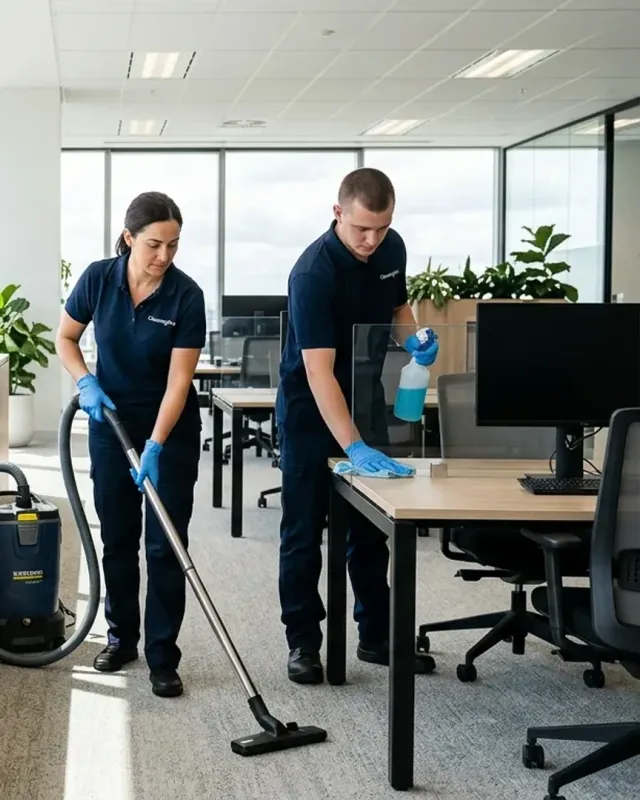
Commercial cleaning plans are built around the workplace type, floor area, occupancy, operating hours, priority zones and site access. A written site-specific scope keeps routine office, kitchen, restroom and floor tasks distinct from periodic specialist work.
What areas can a commercial cleaning plan cover?
An agreed plan can include office areas, partitions, ledges, sills, woodwork, meeting tables, bins and glass, together with restrooms, kitchens and floors. The source scope also lists appliance exteriors, microwave interiors, sinks, cabinets, carpet vacuuming and hard-floor mopping. Exact tasks and frequency should be defined for the particular workplace.
Can cleaning be arranged around business operations?
Timing can be discussed around occupancy, access and the way the site operates, but availability should be confirmed rather than assumed. Explain opening hours, busy periods, security procedures, shared areas and any spaces that cannot be interrupted. The service plan should state when cleaners can enter and what must remain available to staff or customers.
How is a recurring commercial scope established?
Start with the workplace type, floor area, occupancy and room inventory, then identify high-use and hygiene-priority areas. Agree the tasks required on each visit and any periodic work. A written scope helps separate routine office, kitchen, restroom and floor cleaning from specialist carpet, window, machine floor or post-construction services.
What site information is needed before quoting?
Provide the address, approximate floor area, workplace use, operating hours, desired frequency, room and restroom count and access constraints. Include photos or arrange a site review where the layout or condition is difficult to describe. Security induction, keys, alarms, parking, waste arrangements and any site-specific requirements should be disclosed before scheduling.
How are routine and periodic commercial tasks separated?
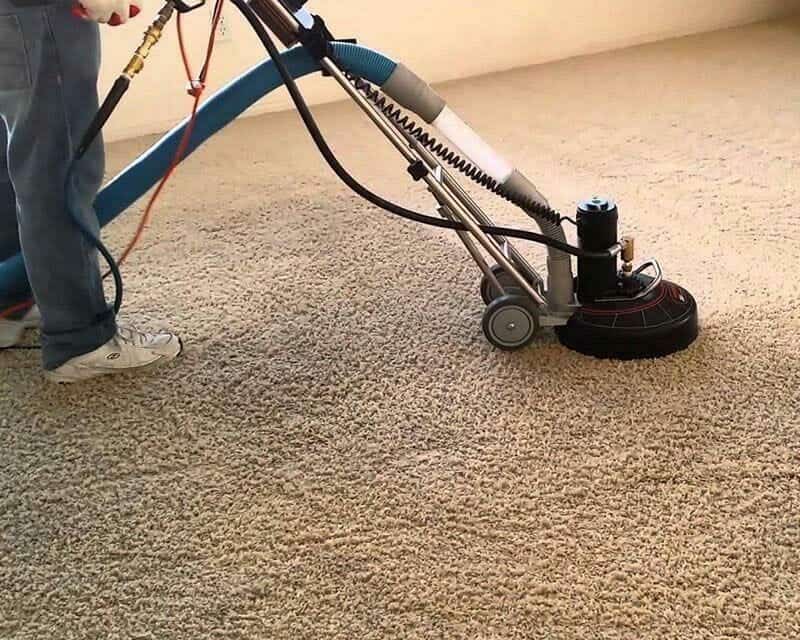
Record what is required on every visit and place less frequent work—such as detailed glass, carpet extraction or machine floor care—on a separate reviewed schedule. This prevents a general recurring checklist from implying that specialist equipment, high access or restoration work is included. Frequency should follow site use, condition and operational access rather than a generic package name.
Before requesting a quote
Information that helps define the scope
- Workplace type, floor area and occupancy
- Cleaning frequency, timing and priority zones
- Office, kitchen, restroom and floor task inventory
- Security, induction, keys and restricted access
- Periodic specialist work, parking and waste arrangements
Nominate a site contact and provide a room inventory, priority list, preferred timing and access instructions. Explain alarm, key, induction, parking, waste and security arrangements, and identify confidential or restricted areas. Clear sensitive documents and personal items from work surfaces. Record delicate equipment or finishes and distinguish routine tasks from specialist services before the first visit.
Realistic expectations
Condition and limitations remain visible
Commercial cleaning is delivered to the workplace-specific scope; a generic package does not define every site. Specialist carpet extraction, high-access windows, machine floor care, builders cleaning, hazardous materials and restoration work require separate assessment. Occupancy, security delays, unavailable rooms or changing site conditions may restrict what can be completed during the agreed service period.