Our Other Brands IDry Restorations Xpert Cleaning
Concrete Grinding Auckland

Auckland cleaning, floors & restoration

Concrete Grinding Auckland

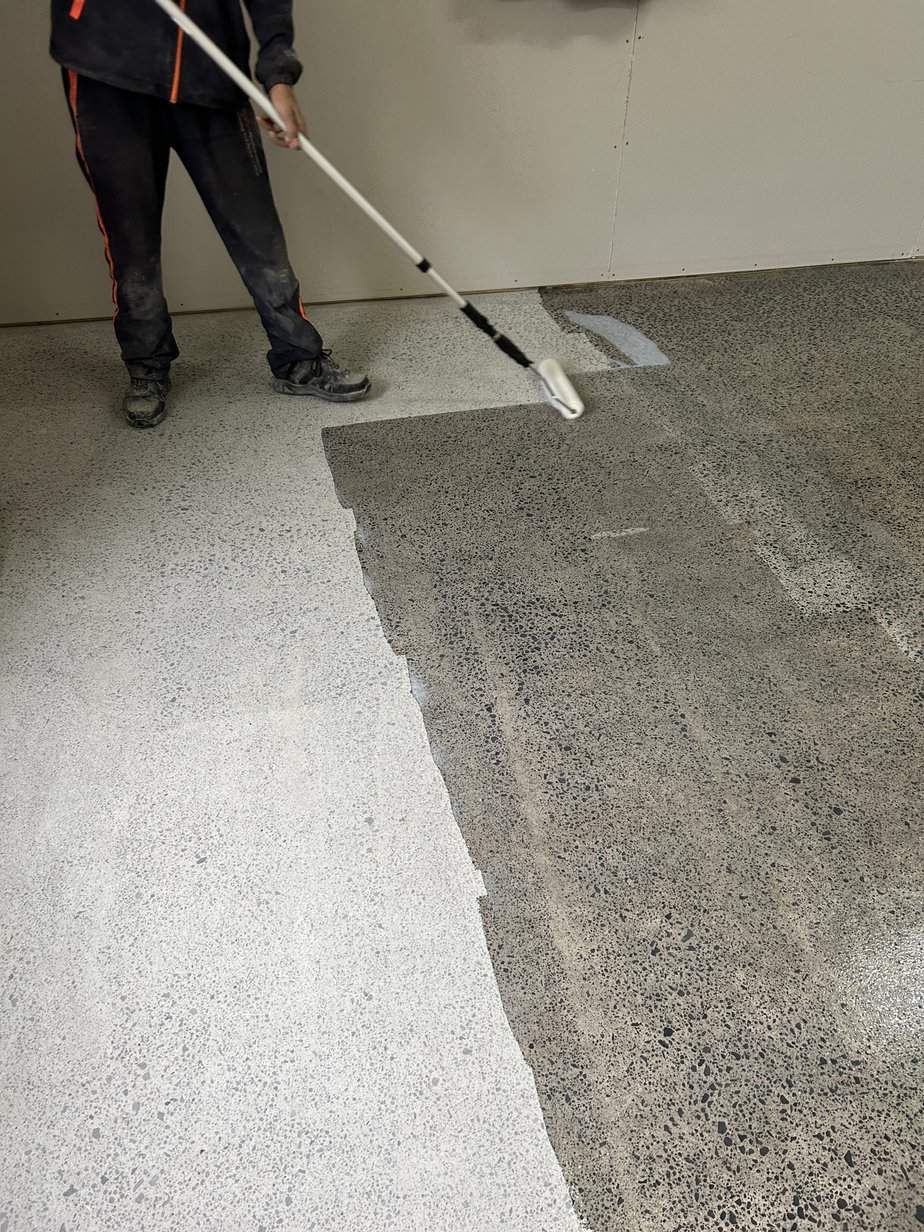
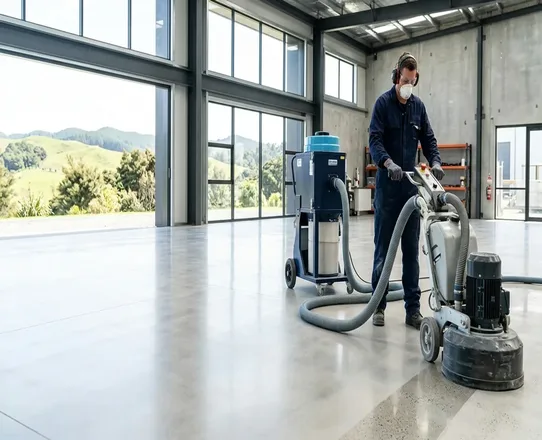
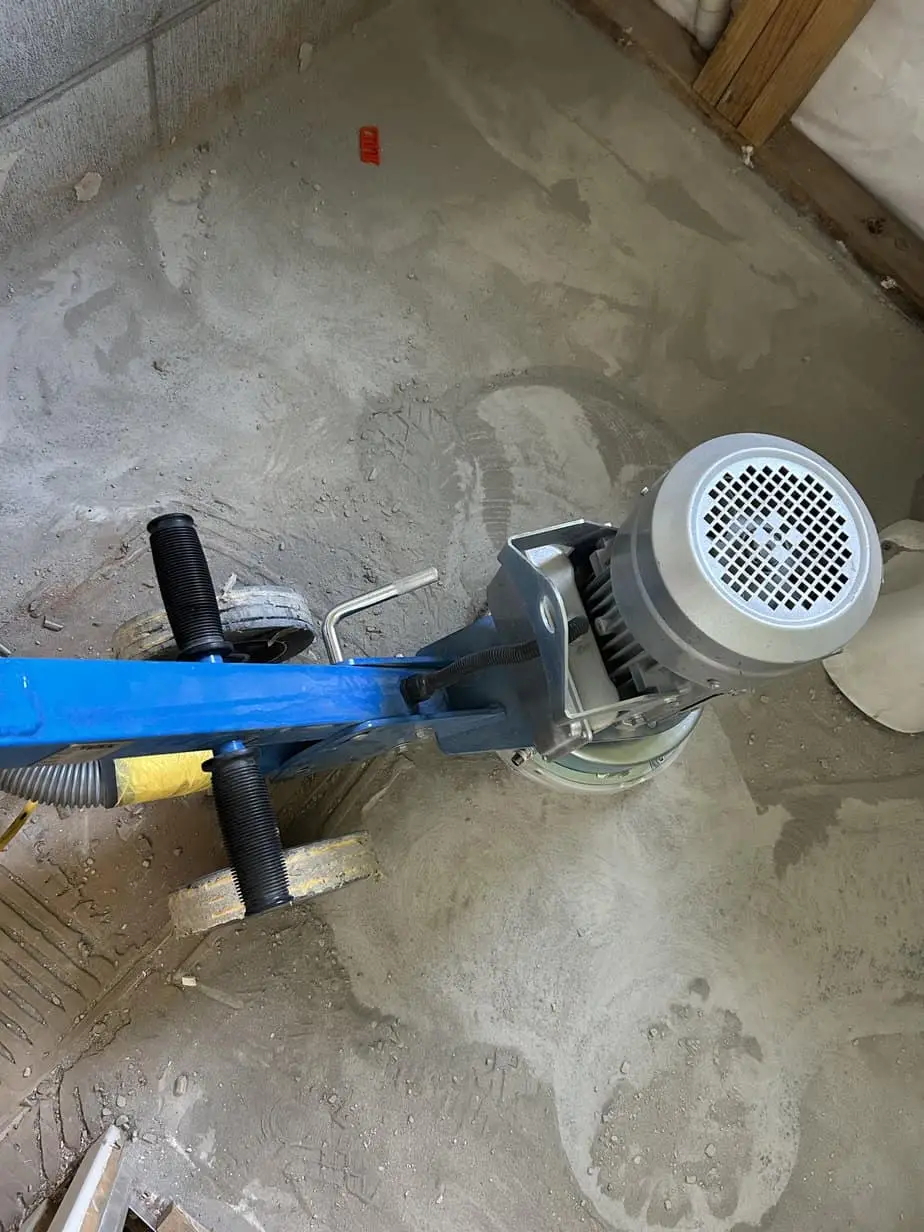
A multi-step procedure for concrete polishing using diamond abrasives through approximately 10 stages, progressing from coarse to fine grits.

Quick answers

Concrete Grinding Auckland: what Auckland customers ask first

How long does the concrete take to coat?

A: Floor size, concrete hardness, and desired gloss level determine timing. Our team can polish 500 sq ft of standard concrete to a medium gloss in 1 to 2 days. High gloss polishing takes longer than lower sheen finishes.

What does the concrete grinding and coating process involve?

A: Multi-step grinding and polishing with specialised diamond abrasives to smooth and finish the concrete surface. Starting with coarse grit pads, closing pores and removing imperfections, then refining with progressively finer grits down to a super fine polish.

How often does polished concrete need resealing or recoating?

A: Extreme densification makes resealing unnecessary for 5+ years. Optional protective coatings may need touch ups every 2 to 4 years in high traffic areas.

Material and condition

Specify the concrete outcome before the machine work

Concrete grinding and polishing is scoped around existing coating, damage, flatness, aggregate exposure and the finish or preparation system required.

  • Grinding, polishing and coating prep differ
  • Aggregate exposure varies by slab
  • Cracks and contamination stay visible in scope
Existing coatingSurface damageFlatnessAggregateFinish systemAccess
Concrete Grinding Auckland process evidence

Surface and condition

What the image helps assess

Concrete grinding and polishing is scoped around existing coating, damage, flatness, aggregate exposure and the finish or preparation system required.

Service-specific process evidence from CleaningPro’s approved image library.

Service answers

Specify the concrete outcome before the machine work

Concrete grinding and polishing is scoped around existing coating, damage, flatness, aggregate exposure and the finish or preparation system required.

What does concrete grinding and polishing involve?

The source describes multi-step work using diamond abrasives, beginning with coarse pads and progressing through finer grits before the selected polished or coated finish.


How is the required finish selected?

The source lists matte, satin, semi-gloss and high-gloss outcomes. Concrete hardness, existing condition, aggregate exposure and the desired gloss affect the process.

Can cracks and imperfections be included?

Crack repair, hole filling and treatment of imperfections are listed as an initial stage, but repairs and slab variation may remain visible in the finished surface.

Can existing concrete be worked on?

Existing concrete can be assessed for grinding, polishing or coating. Old coatings, stains, scratches, cracks and contamination must be reviewed because they affect preparation and the likely result.

Before requesting a quote

Information that helps define the scope

  • Floor area and edge or corner access
  • Concrete hardness and slab condition
  • Existing coating, contamination and required removal
  • Cracks, holes, repairs and surface imperfections
  • Grinding, polishing, coating preparation and desired gloss

Describe existing coatings, cracks, holes, repairs, stains or contamination; confirm occupied areas, edge access and the required gloss or coating system; clear the work area where agreed and identify any site constraints before inspection.

Realistic expectations

Condition and limitations remain visible

Cracks, previous repairs, slab variation, contamination and variable aggregate exposure can remain visible or affect the chosen system. Grinding, polishing, grind-and-seal and coating preparation are different scopes and should not be treated as interchangeable.

Method and finish

Options are selected for the surface

  • Grinding / preparation
  • Mechanical polishing
  • Grind and seal
  • Coating preparation

Service-specific process

From assessment to review

01

Inspect slab and existing finish

02

Choose grinding or polishing path

03

Prepare the surface

04

Control edges and dust

05

Review the agreed finish

Concrete Grinding Auckland detail

Process and proof

The condition guides the method

Approved service imagery illustrates the material or process; the final scope remains based on the actual site.

Preparation and access

Useful details before work starts

Describe coatings, repairs, cracks, contamination, occupied areas, edge access and the finish required.

Aftercare

Use and maintenance depend on the agreed finish system; confirm handover requirements for the actual slab.

Start with the details

Request a Concrete Grinding Auckland quote

Describe the property, material, condition and access so the team can confirm suitability and scope.

Your details are sent securely to the CleaningPro Auckland team.

Main Headings

  1. "Concrete Grinding and Coating Service in Auckland"
  2. "The Concrete Grinding Process"
  3. "Before And After Of Concrete Grinding And Coating"
  4. "The Benefits of Concrete Coating"
  5. "Protective Coatings and Sealers"
  6. "Why Choose CleaningPRO Auckland?"
  7. "Frequently Asked Questions"

Service details

Service Description

A multi-step procedure for concrete polishing using diamond abrasives through approximately 10 stages, progressing from coarse to fine grits.

Four-Stage Process

Stage 1: Crack Repair Cracks, holes, or imperfections in the concrete with filler and epoxy resins.

Stage 2: Initial Grinding Uses 16 to 30 grit coarse pads.

Stage 3: Successive Grinding 60 to 3000 grit progressively finer pads.

Stage 4: Burnishing Very fine resin pads to burnish the floor to a high gloss level.

The Benefits of Concrete Coating

  • Extreme Durability - Concrete up to four times stronger than untreated floors
  • Low Maintenance - Never needs waxing or recoating
  • Customisable Aesthetics - Stain/dye options available
  • Improved Lighting - High reflectivity reduces energy costs
  • Increased Safety - Non-slip, light textured surface

Protective Coatings and Sealers

Epoxy Coatings: Extremely durable, chemically resistant surface barriers.

Polyurethane Sealers: Highly scratch, scuff, and UV resistant.

Why Choose CleaningPRO Auckland? (5 Differentiators)

  1. Highly trained technicians with extensive in-house training
  2. Professional-grade equipment including laser-guided tools
  3. Strict quality control standards
  4. "Eye-catching floors" transformation capability
  5. "Exceptional customer service" emphasis

Pricing

No specific pricing listed on this page. The page directs users to request a free quote.

  • Primary CTA: "Get A Free Quote!"
  • Phone: 0800-405-670 / 098840343

Frequently asked questions

What does the concrete grinding and coating process involve?
A: Multi-step grinding and polishing with specialised diamond abrasives to smooth and finish the concrete surface. Starting with coarse grit pads, closing pores and removing imperfections, then refining with progressively finer grits down to a super fine polish.
How long does the concrete take to coat?
A: Floor size, concrete hardness, and desired gloss level determine timing. Our team can polish 500 sq ft of standard concrete to a medium gloss in 1 to 2 days. High gloss polishing takes longer than lower sheen finishes.
How often does polished concrete need resealing or recoating?
A: Extreme densification makes resealing unnecessary for 5+ years. Optional protective coatings may need touch ups every 2 to 4 years in high traffic areas.
What kind of shine can you get with concrete coating?
A: Matte, satin, semi-gloss, and high gloss finishes available. Uses 800 grit pads for medium gloss and 3000 grit for ultra high gloss.
Can you match the polished concrete to my interior colour scheme?
A: Yes, any colour tint or dye can be introduced. CleaningPro can match any paint swatch provided.
Can existing old concrete be coated?
A: Coating rejuvenates old concrete by removing blemishes, stains, and scratches. Filling cracks, grinding the surface reveals fine aggregate underneath.
Is the floor slippery after coating?
A: No, coated concrete has more traction than untreated concrete. Non-slip additives applied to meet safety standards.

Concrete grinding for New Zealand homes and workplaces

Concrete grinding, polishing and coating are related but different scopes. Grinding can remove surface irregularities or prepare concrete; polishing refines the surface through progressively finer stages; coatings add a separate film-forming system. The existing slab, cracks, contamination, moisture, hardness, required finish and future use determine which approach is suitable.

For Auckland and wider New Zealand projects, discuss dust control, edge work, access, power, noise, curing, slip expectations and re-entry before work starts. Old coatings or deep contamination may need testing or additional preparation. Related floor services include block honing and sealing, tile and grout cleaning, vinyl floor care and floor sanding, but the correct method depends on the substrate rather than appearance alone.

Useful answers

Frequently asked questions

Open the questions in the detailed service guide above for source-backed answers.

Deep cleaning specialistsCarpet, curtain, upholstery, blinds & floors
Restoration done rightFlood, fire, mould & meth recovery
Right method, every surfaceCleaning matched to the material & condition
Local Auckland teamCall direct on 09 884 0343