Why does mould keep returning?
Recurring mould commonly indicates that moisture is still present. Leaks, previous flooding, humidity, steam or unsuitable air-conditioning drainage should be considered before remediation is scoped.

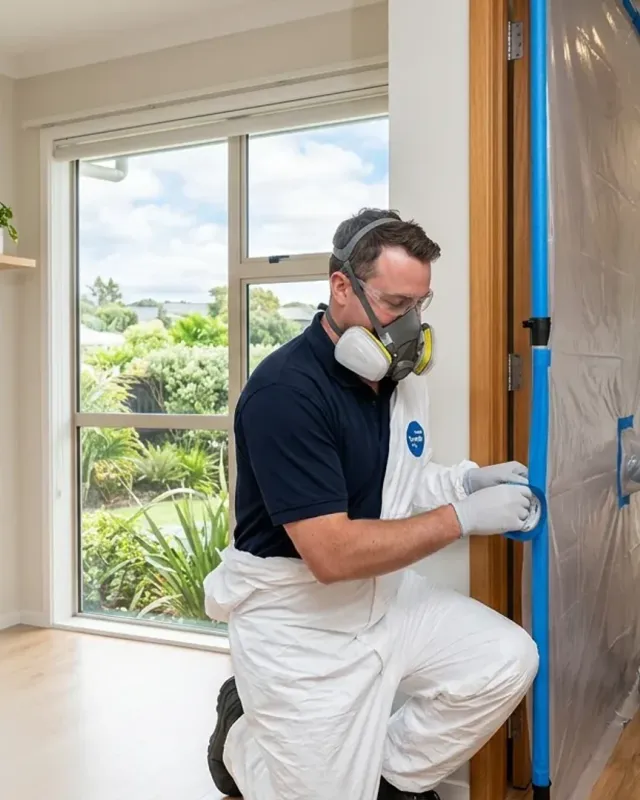
Auckland restoration support
Mould is often linked to a moisture source, so remediation starts by identifying and addressing that source where it can be confirmed.
Quick answers
Listed causes include:
Key benefits:
The short answer
Mould remediation is scoped around the moisture source, affected material, spread risk and controls needed to avoid unnecessary disturbance.
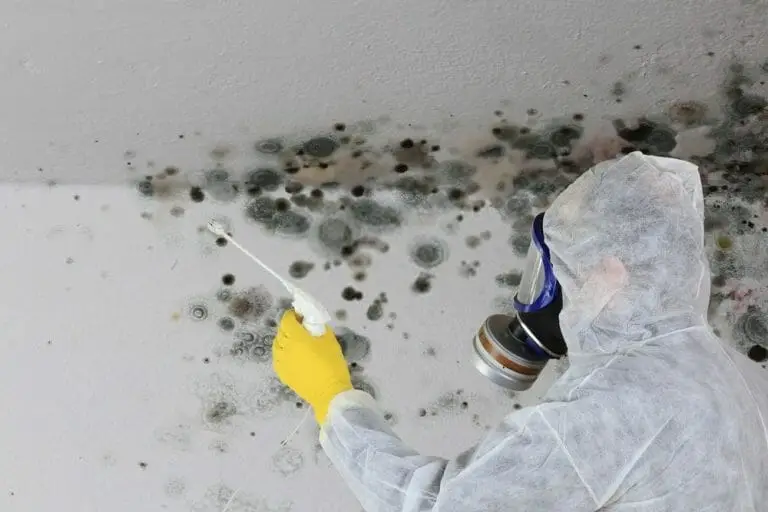
Condition-led assessment
The visible material and condition help frame the moisture source, affected area, access and controls that should be discussed before a service scope is confirmed.
Operational image from CleaningPro’s approved service library; it does not represent the visitor’s property.Service answers
Recurring mould commonly indicates that moisture is still present. Leaks, previous flooding, humidity, steam or unsuitable air-conditioning drainage should be considered before remediation is scoped.
No. Material condition determines the response; affected carpeting, drywall, wood or other materials may need to be discarded and replaced rather than cleaned.
The source and affected area are assessed first, followed by suitable controls, treatment or removal, air filtration or deodorising where required, and restoration work if included in the agreed scope.
Not automatically. Remediation addresses agreed affected materials, while leak, drainage, ventilation or reconstruction work must be expressly included or handled separately.
Before requesting a quote
Describe known leaks, flooding, condensation, humidity, steam or drainage issues. Share prior moisture or mould reports and identify affected rooms and materials. Confirm ventilation, safe access and any property-manager or clearance requirements. Avoid disturbing affected materials until the containment and access approach is agreed.
Realistic expectations
Visible treatment alone does not resolve an ongoing moisture problem. Porous or damaged materials may require removal and replacement. Repainting, tiling or other reconstruction is a separate scope unless expressly included. Remediation does not replace an independent clearance decision where one is required, and renewed moisture can lead to further growth.
Decision pathway
Controlled response
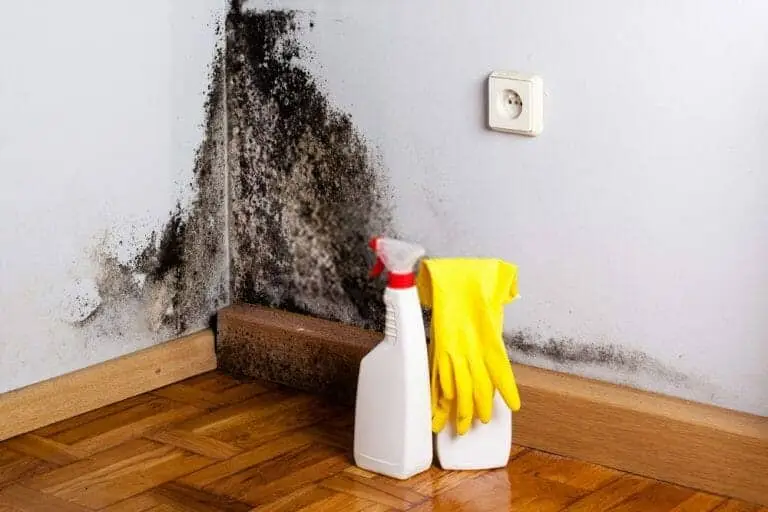
Condition and controls
Service decisions are confirmed from the condition, safe access and the agreed job requirements.
Before work begins
Describe leaks, condensation, ventilation, prior reports and property-management requirements.
Documentation
Photographs, condition notes, access requirements and agreed work records can support the job conversation. Where an insurer, authority or independent assessor has requirements, share them before work is confirmed.
Start with the details
Describe the property, material, condition and access so the team can confirm suitability and scope.
Key Taglines:
CTA Buttons:
Listed causes include:
Black mould poses health risks including:
Mould is often linked to a moisture source, so remediation starts by identifying and addressing that source where it can be confirmed. When there is a consistency in moisture, mould will increase with time.
Leaky materials including wood, carpeting, drywall etc. should be replaced and discarded to prevent further mould growth.
Rinse, purify and deodorise the dirty leaky items, such as fabric, furniture, clothing using air filtration equipment.
Reconstruct it back into its original condition. This may involve installing new tile on the floor or painting walls.
Key benefits:
No specific pricing details listed on this page.
No FAQ section on this page.
Scoping guidance
Remediation is unlikely to remain effective unless the underlying leak, damp condition, condensation or ventilation problem supporting fungal growth is also addressed.
The affected walls, ceilings and structural materials, visible growth and risk of spreading spores determine whether containment, HEPA-filtered air control, cleaning or removal should be considered.
Persistent mould can affect materials and indoor conditions. CleaningPro can document agreed treatments, while independent sampling or clearance remains a separate service when a landlord, insurer or assessor requires it.
Useful answers
Listed causes include:
Key benefits:
Start with the details