What should happen before fire-restoration cleaning begins?
Safe-entry status and immediate hazards should be confirmed first. The assessment can then consider heat damage, soot deposition, smoke movement, contents and firefighting-water damage.

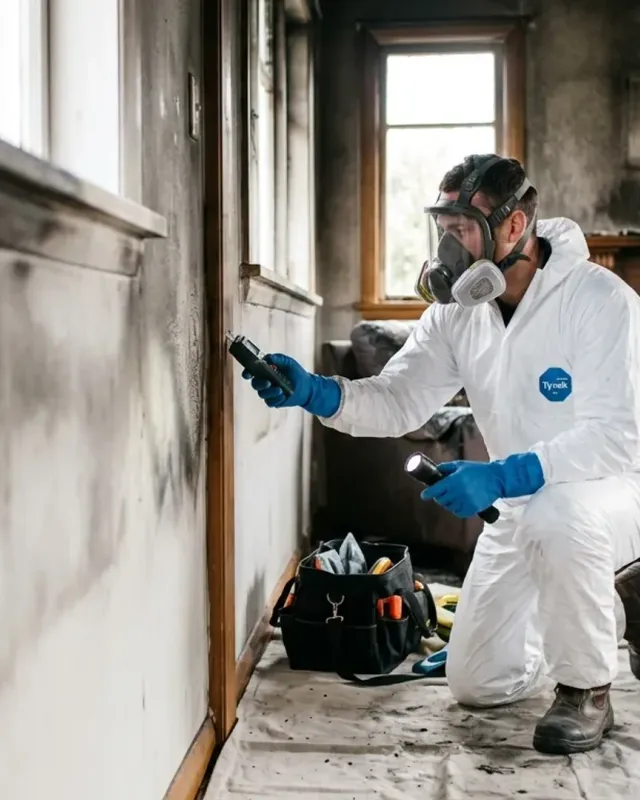
Auckland restoration support
Powdering soot particles spread throughout the area and stick to surfaces, which are fatal to health.
Quick answers
Common causes of fire damage include:
CleaningPro's process includes: filtering and ventilating air, cleaning top to bottom, laundering fabrics, refinishing furniture, repainting ceilings and walls, and cleaning or replacing metals.
The short answer
Fire and smoke restoration begins after relevant authority confirmation of entry status, then considers soot, smoke movement, contents and affected materials.
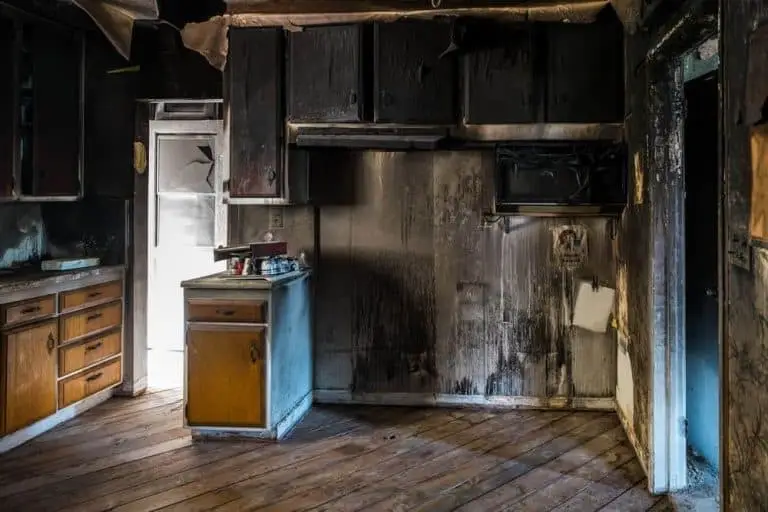
Condition-led assessment
The visible material and condition help frame the moisture source, affected area, access and controls that should be discussed before a service scope is confirmed.
Operational image from CleaningPro’s approved service library; it does not represent the visitor’s property.Service answers
Safe-entry status and immediate hazards should be confirmed first. The assessment can then consider heat damage, soot deposition, smoke movement, contents and firefighting-water damage.
No. Wiping with an unsuitable method can spread soot or drive residue further into porous finishes, so affected surfaces should first be assessed.
Depending on the condition and agreed scope, it can include board-up or tarping, water extraction and drying, soot and smoke treatment, cleaning, deodorising and reconstruction.
No. Heat effects, corrosion, staining and material degradation may be permanent, and contents may need a separate cleanability or replacement assessment.
Before requesting a quote
Confirm that the relevant authority permits entry. Share affected rooms, photographs, the likely fire source and any known water damage. Provide an item list and identify valuable, sensitive or electronic contents. Share insurer instructions before removal, disposal or reconstruction decisions are made.
Realistic expectations
Cleaning cannot reverse every heat effect, permanent stain, corrosion or material change. Porous finishes, metals, electronics, photographs, antiques and other contents may require separate decisions. Board-up, water drying, contents treatment and rebuilding are not automatically included in one cleaning scope. Odour treatment depends on where smoke travelled and which materials absorbed residue.
Decision pathway
Controlled response
Before work begins
Share authority status, affected rooms, photographs, an item list and insurer instructions.
Documentation
Photographs, condition notes, access requirements and agreed work records can support the job conversation. Where an insurer, authority or independent assessor has requirements, share them before work is confirmed.
Start with the details
Describe the property, material, condition and access so the team can confirm suitability and scope.
Opening Text:
CTA Buttons:
Common causes of fire damage include:
Powdering soot particles spread throughout the area and stick to surfaces, which are fatal to health. Soot has acidic components damaging walls, flooring, furniture, paintings, antiques, photographs, and electronics.
We secure and seal your property. This means to board-up the doors and windows for safety.
Professional dehumidifiers and air movers ensure drying; monitoring prevents further damage.
Our fire damage restoration technicians use thermal fogging, air scrubbers, ozone treatments to purify and clean the complete HVAC system.
Deodorizing and sanitizing to prevent mold growth from firefighting water damage.
Rebuilding includes new drywall, carpets, painting, cabinet replacement, and hardwood refinishing.
Additional Highlights:
No pricing information listed on this page.
No FAQ section on this page.
Scoping guidance
Wait for the relevant authority to confirm that entry is safe. A trained restoration team should assess emergency conditions and structural damage before cleaning begins.
Soot type, heat, smoke movement and material porosity influence the method. Smoke and soot can contribute to respiratory irritation, discolouration, metal tarnishing and deep contamination of porous finishes and contents.
The scope may include cleaning, sanitisation, odour work and separate treatment of walls, ceilings or contents. Water used during firefighting can also create moisture and mould concerns that need drying or remediation.
Useful answers
Common causes of fire damage include:
Start with the details